
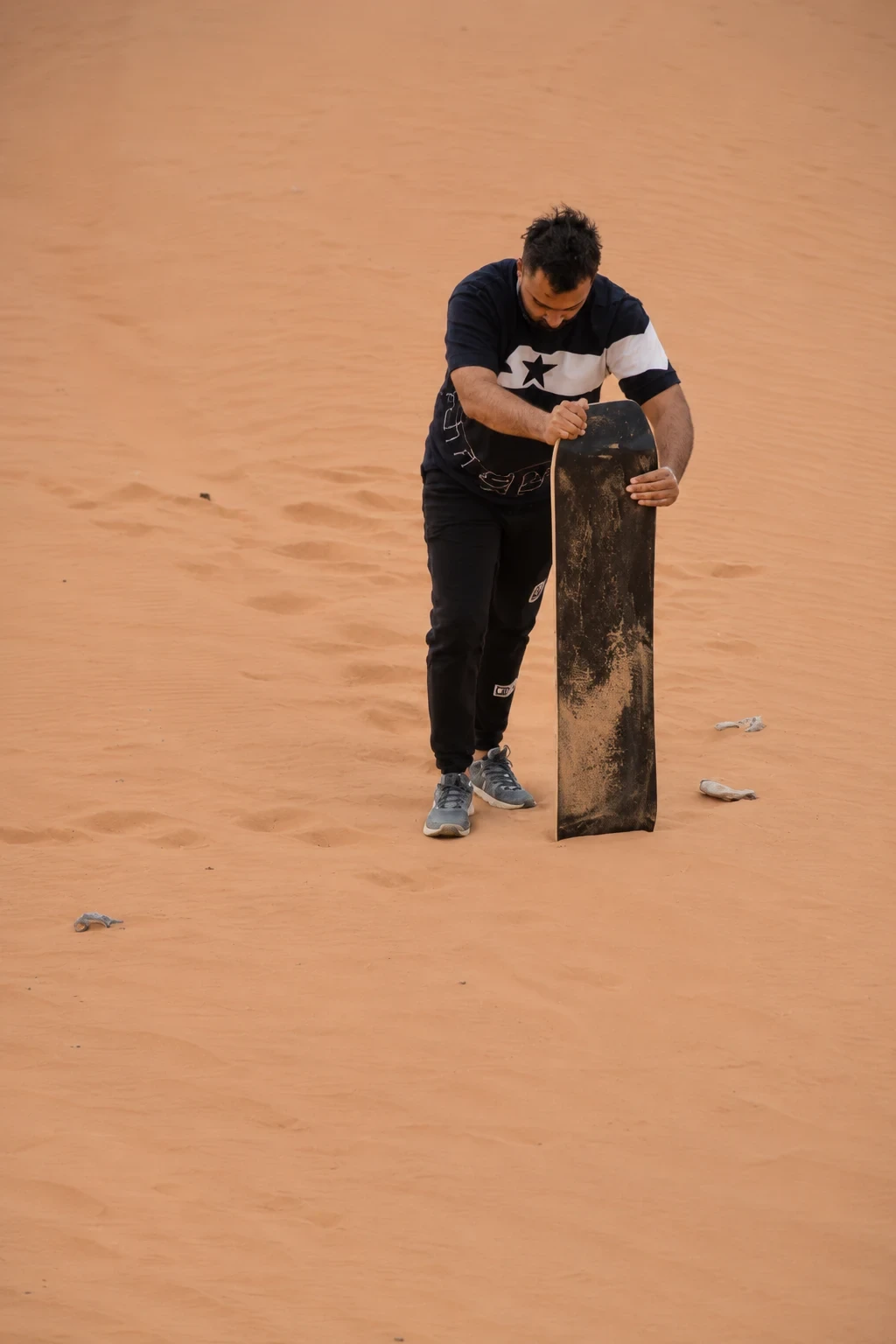
Dubai desert safari blog
Dubai Desert Safari Clothing Guide: What Should You Wear?
Follow this Dubai desert safari clothing guide for comfortable footwear, sun protection, useful layers and a short packing list for your tour.
Quick answer
Choose comfortable clothes you can move in, secure footwear suited to your booked activity and a removable layer for later in the day. Keep the bag small and protect your phone from sand. Check activity-specific clothing rules and overnight equipment separately rather than buying a special outfit for every part of the trip.
Choosing clothes for a Dubai desert safari should be simple. Choose clothes that help you sit in a vehicle, walk on sand and stay comfortable as the temperature changes.
The official Visit Dubai safari page recommends comfortable clothes that can get sandy and trainers or sandals with straps. It also suggests warmer clothing for winter evenings. These simple ideas are more useful than buying a special outfit.
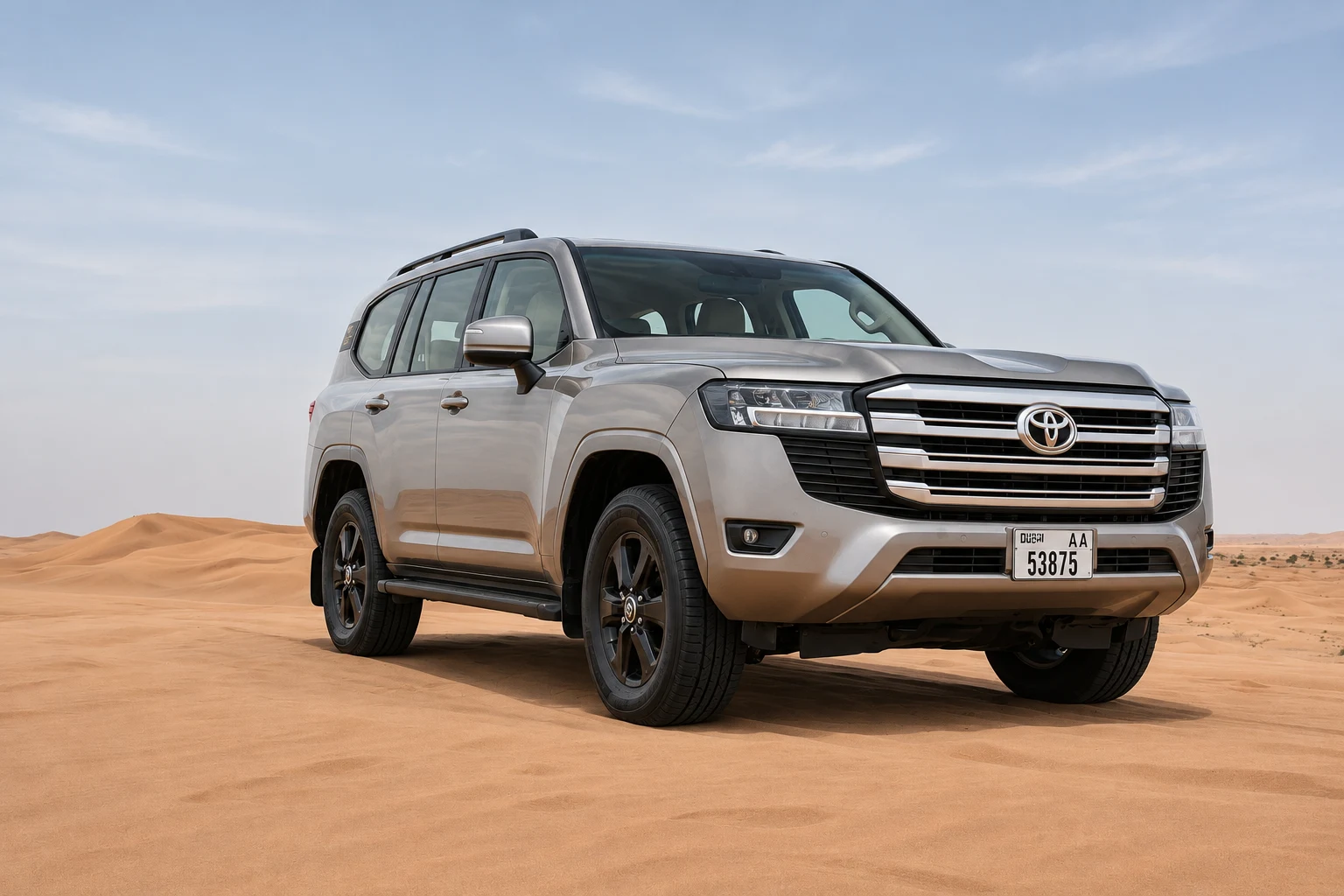
Illustrative website image. Confirm the actual vehicle, seating and programme for your booking.
Wear light, flexible clothes
Choose breathable clothing that lets you move easily. A T-shirt or light long-sleeve top with comfortable trousers works for many guests. Long sleeves can add sun coverage, while loose but secure clothing helps air move.
Avoid clothing that is so long or loose that it catches on a vehicle step, quad bike or sandboard. If you plan to ride a camel or use a buggy, trousers or knee-length shorts are often easier than a flowing skirt.
Dubai is cosmopolitan, and Visit Dubai says many styles are accepted. Respectful clothing is still a simple choice for shared vehicles and camps. The Visit Dubai practical information page (opens in a new tab) has general dress guidance for the city.
Pick footwear that stays on
Sand enters almost every shoe. That is normal. The goal is stable footwear, not perfectly clean socks.
Trainers give grip and protect the toes. Sandals with heel or ankle straps can feel cooler. Loose flip-flops may slip off while walking up a soft dune. High heels are hard to use on sand and vehicle steps.
If your plan includes a quad bike or buggy, ask what footwear the operator requires. Closed shoes may be a better choice for equipment-based activities. The Desert Safari with Quad Bike page explains that rider requirements are confirmed for the selected date.
Protect yourself from bright sun
Even when the air feels comfortable, the desert sun can be strong. Pack sunglasses, a secure hat and sunscreen suitable for your skin. Apply sun protection before the outdoor section and follow the product instructions.
Bring water or use the water supplied by the operator. Dubai Municipality heat guidance for workers highlights shade, cool drinking water and cooler scheduling as important controls in hot conditions. A tourist activity is not the same as a worksite, but the basic lesson is sensible: use shade, drink regularly and tell the guide if you feel unwell.
For a shorter, cooler plan, ask about timing when you book your safari. Do not assume that every month or time of day feels the same.
Add a layer for the evening
From October to March, later hours can feel cooler than the sunny afternoon. A light jacket, cardigan or shawl is easy to carry. Guests who get cold quickly may want a slightly warmer layer.
In hotter months, a heavy jacket is usually unnecessary, but an air-conditioned vehicle can still feel cool. A thin layer can be useful without taking much bag space.
The Evening Desert Safari Dubai page is the place to check the confirmed schedule. Pack for that timetable instead of a general photo you saw online.
Keep accessories simple
Fine sand can reach phones, cameras and jewellery. Use a zipped bag. Leave valuable or delicate items at the hotel when possible. A phone wrist strap or secure pocket can help at photo stops.
Avoid carrying a large hard suitcase. A small day bag is easier in a shared vehicle. Keep medicine in its original packaging and follow UAE travel rules for controlled medicines.
A short desert safari packing list
- Comfortable top and trousers or secure shorts
- Trainers or strapped sandals
- Sunglasses and a secure hat
- Sunscreen
- Light evening layer
- Small zipped bag
- Required medicine and personal items
- Booking reference and charged phone
If your tour is overnight, ask what bedding, towels and sleeping items are supplied. The Overnight Desert Safari Dubai page explains that camp and sleeping arrangements are confirmed in writing.
Choose your outfit around the activities you booked
Start with the confirmed programme, not a general safari photograph. A camp-focused evening, a quad-bike session and an overnight stay each ask different things of your clothing. You may be getting into a vehicle, sitting for a meal, walking on sand or wearing equipment supplied for an activity. Clothes that work for one of those moments should not make the others uncomfortable.
Write down the activities your group expects to do and ask the operator about any clothing requirements. This is particularly useful for powered riding sessions, where the provider may have specific footwear or equipment instructions. Follow those instructions for the actual booked product. A travel article offers preparation ideas; it cannot replace the briefing or requirements of the team running your activity.
Test movement before leaving the hotel
Sit down, bend your knees and lift your arms in the clothes you plan to wear. Check that nothing pulls, slips or becomes awkward when you move. A small movement test is more useful than judging an outfit only while standing in front of a mirror. You want to enjoy the journey and activities without repeatedly adjusting a waistband, sleeve or loose accessory.
Check pockets too. A phone that feels secure while walking through the hotel may slide out when you sit in a vehicle or move on sand. Use zipped storage where practical and keep essential items together. Do not carry everything in one hand because the outfit has no useful pockets. You may need both hands for ordinary movements such as getting in and out of a vehicle.
Plan layers for your actual outing
Check the forecast and the actual programme, including vehicle air conditioning and time outdoors. Keep a removable layer within reach. An overnight trip needs its own bedding and clothing check; an ordinary evening outfit may not cover the night and morning.
Footwear deserves its own check
Choose familiar shoes that grip, fit securely and suit your booked activity. Check the quad-bike safari provider's footwear requirements separately. If you need to remove sand or adjust a shoe, use a suitable place and keep vehicle entrances and walkways clear.
Sun protection is a practical packing choice
Consider the time you will be outdoors and the conditions on your date. A suitable hat, sunglasses and clothing coverage can help you prepare for bright conditions. Follow relevant product instructions for personal sun protection and keep the items accessible. A sunset-focused photograph can make an excursion look like it begins in soft evening light, even when collection and activities start earlier.
Check whether a hat or loose item needs to be removed or secured during a particular activity. Follow the guide's advice around vehicles and equipment. Do not let a dropped accessory turn into a rushed attempt to retrieve something in an active route. Ask staff for help when needed. Keeping a few useful items secure is better than carrying many accessories that become awkward to manage.
Dress comfortably in shared visitor spaces
Your safari may include hotel collection, shared transport and a camp with other visitors. Choose an outfit you feel comfortable wearing through the whole programme. Consider sitting, walking and moving between spaces as well as photographs. You do not need a special costume to make the trip feel like a desert experience; practical clothing lets you pay more attention to the place itself.
If you have a question about a particular garment or activity requirement, ask the booking team in advance. Avoid treating a social media image as a dress instruction for every setting. People in photographs may be doing a different activity or attending a separate event. Use your own confirmed itinerary to decide what needs to work, and keep comfort and respectful behaviour together.
Choose photo details without rebuilding the whole outfit
If pictures matter to you, pick a colour or simple detail you enjoy, then make sure the clothing still works for the outing. You do not need to coordinate every traveller exactly. An outfit should not prevent someone from joining an activity comfortably. Keep any special photo accessory secure and ask about its use if it could affect safety, other visitors or the programme.
Pack a small bag with a clear purpose
Begin with the things you normally need for an outing: the booking reference, a charged phone and personal essentials. Add the practical items requested for the specific trip. Leave out things you are carrying only because they might possibly be useful. A smaller bag is easier to manage in a shared vehicle and less likely to get in the way at camp.
Ask before bringing a suitcase, large camera kit, stroller or other bulky item. Guest capacity does not establish storage space for every combination of bags. If you are changing hotels, consider a confirmed luggage arrangement at the hotel instead of treating the safari vehicle as temporary storage. The driver should know about large items before collection, not discover them at the door.
Protect the items you will use often
Keep the phone and reference easy to reach, but secure. Decide where sunglasses will go when you take them off. Carry personal essentials in a way that does not require putting the whole bag on the ground whenever you need one item. Avoid bringing valuables that are unrelated to the trip. Simple habits can save you from spending the evening searching through sand or worrying about an expensive accessory.
Families can prepare one clear change plan
Children may need an extra clothing item depending on their age and the programme. Pack what is useful for your own child rather than following a large generic list. Put the items together so the supervising adult can find them easily. Ask the operator about practical facilities when that matters, and do not assume there is a private changing area or storage service without checking.
Use our family safari guide for the wider planning questions. Clothing is only one part of getting children ready. Transport restraints, activity rules, meals and the length of the evening need separate answers. An outfit that looks comfortable does not establish that the programme itself suits the child, so complete those booking checks before focusing on what to pack.
Let children try the outfit before travel
Check shoes, straps and layers at the hotel while there is still time to change something. If a child dislikes a scratchy garment during an ordinary meal, it is unlikely to become more comfortable during a longer outing. Give older children responsibility for one or two simple items while an adult keeps essential documents and booking details. Keep the plan easy enough to follow when everyone is excited.
An overnight bag needs its own confirmation
An overnight safari extends beyond the evening programme, so ask about the camp setup before deciding what to carry. Check sleeping arrangements, bedding, washing facilities, storage and the return plan. These answers determine whether you need a clothing change, another layer or different personal items. Do not assume an overnight booking provides a hotel room or every facility you would have at your accommodation.
Also ask about the amount of luggage accepted in the vehicle. A full suitcase is rarely the only way to carry an overnight change, but the right bag depends on your needs and the confirmed setup. Keep night items separate from what you will use during daytime activities. That lets you reach the essentials without unpacking the entire bag in a shared area.
Build two sensible outfits from clothes you own
For a camp-focused evening, start with comfortable clothing that lets you sit and walk easily. Add footwear that suits sand and a reachable layer for later conditions. Keep jewellery and loose accessories simple. Check the operator's instructions for any activities you expect to join. There is no reason to buy a new wardrobe when suitable everyday items already cover the programme.
For a booked quad or buggy experience, start with the provider's requirements. Check footwear, coverage and how supplied equipment will be worn, then choose clothing that moves comfortably underneath. Do not use the camp outfit as the final answer until those requirements are clear. The correct preparation is the one matched to the actual activity, even if both trips take place among the same dunes.
The last five-minute check
Lay out the outfit you will actually travel in, rather than a separate photo outfit that still needs changing. Sit down, reach forward and walk a few steps to check the fit. Put the useful layer and small essentials where you can reach them without emptying the bag. Give each person responsibility for their own shoes and belongings. This quick rehearsal catches awkward fastenings or uncomfortable footwear before you leave the hotel.
After the trip, shake out sand in an appropriate place and follow the care instructions for your belongings. Check pockets before washing clothes and make sure small items have not been left in the vehicle. Keep the outfit lessons simple for next time: what felt comfortable, what stayed unused in the bag and what you would prepare differently for a longer or more active programme.
Frequently asked questions
1. Do I need to buy special desert safari clothes?
Usually the useful first step is checking what you already own against the confirmed programme. Choose comfortable items that allow movement and follow the operator's requirements for any activity. A new outfit is not a substitute for suitable shoes, a practical bag or a needed layer. Ask about unfamiliar requirements before spending money on clothing you may not need.
2. Can I wear shorts?
Consider the activities, sun exposure and shared spaces on your itinerary. Comfortable shorts may work for some plans, while trousers may suit others better. For a vehicle activity, follow the provider's clothing requirements. The right choice is one you can sit, walk and move in comfortably through the whole outing, rather than one chosen only for a photograph.
3. Which shoes should I bring?
Choose footwear that stays secure, feels comfortable and suits the ground and booked activities. Check any specific requirements for quad biking or buggy riding. Avoid relying on a brand-new pair you have not tested. Sand is part of the setting, so pick something you can clean and adjust easily without repeatedly interrupting your own trip or other guests.
4. Is a jacket needed for every evening safari?
Conditions vary by date and time, so check near travel and consider the full outing, including air-conditioned transport and later camp time. A removable layer is a practical option when needed. Keep it within reach. An overnight programme needs its own packing advice because staying through the night is different from returning to the hotel after an evening visit.
5. Can I wear jewellery and loose accessories?
Keep them simple and consider how they will behave during movement, sandy walking areas and any activity equipment. Follow staff instructions about securing or removing items. You do not need many accessories to enjoy the setting. A special photo item should not create an awkward or unsafe situation, block other guests or become something you spend the evening trying to protect.
6. What should children wear?
Start with clothes and shoes your child already finds comfortable, then match them to the actual programme and weather. Check activity requirements with the operator and pack a useful change if your child needs one. Test straps and layers before collection. Clothing preparation should sit alongside confirmed transport, restraints and activity rules, rather than replace those important booking checks.
7. Can I bring my suitcase?
Ask the booking team before travel. Passenger capacity does not automatically mean space for large luggage, a stroller or other bulky items. If you are moving hotels, arrange suitable storage or a confirmed transport plan. Do not assume the safari vehicle can take extra bags just because the booking has a place for every traveller in your group.
8. What should I wear for quad biking?
Follow the requirements of the provider running your specific session. Ask about footwear, clothing coverage and the equipment supplied before you arrive. Choose clothing that allows movement without loose items getting in the way. A social media photo of another rider is not a reliable instruction for your booking, vehicle or riding area; the actual provider's guidance comes first.
9. Is white clothing a bad choice?
Colour is a personal choice. Think about comfort, how easily the clothing can be cleaned and whether you mind visible dust or sand. There is no need to let a preferred photo colour overrule practical fit. If the outfit works for the activities and you are happy to care for it afterwards, use the same sensible checks as with any other colour.
10. What is the simplest packing rule?
Carry what your confirmed trip and personal needs require, and check before bringing anything bulky or unusual. Keep essential items accessible and secure. A small, organised bag is often easier to handle than a large collection of just-in-case objects. Prepare before the pickup window so your group can begin the outing calmly rather than finishing its packing beside the vehicle.
Related tours and planning guides
Check the outfit with the bag you will carry
Try the bag and outfit together before departure. A strap that feels comfortable over a T-shirt may sit differently over an extra layer. Check that you can reach a pocket or fastening while seated, and that nothing loose catches when you stand up. Keep the items you expect to use together in one accessible place, so taking a photograph does not mean unpacking everything on the sand. If you plan to bring a change of clothes, separate it from items you want during the journey. These small checks help you use what you already own without buying a special safari wardrobe. Follow the activity provider's requirements whenever those are more specific.