

Dubai desert safari blog
Lahbab Red Dunes Sunset Safari: How the dune stop and camp fit together
Plan your lahbab red dunes sunset safari with practical advice on the route, timing, what to confirm before paying, and how to prepare for your group.
Lahbab Red Dunes Sunset Safari is listed by Desert Safari Friends. Start with the part of the trip your group most wants to experience. Before choosing a date, ask how the sunset stop fits between arrival in Lahbab and the move to camp. This guide helps you put the route, ticket and timing on the same plan.
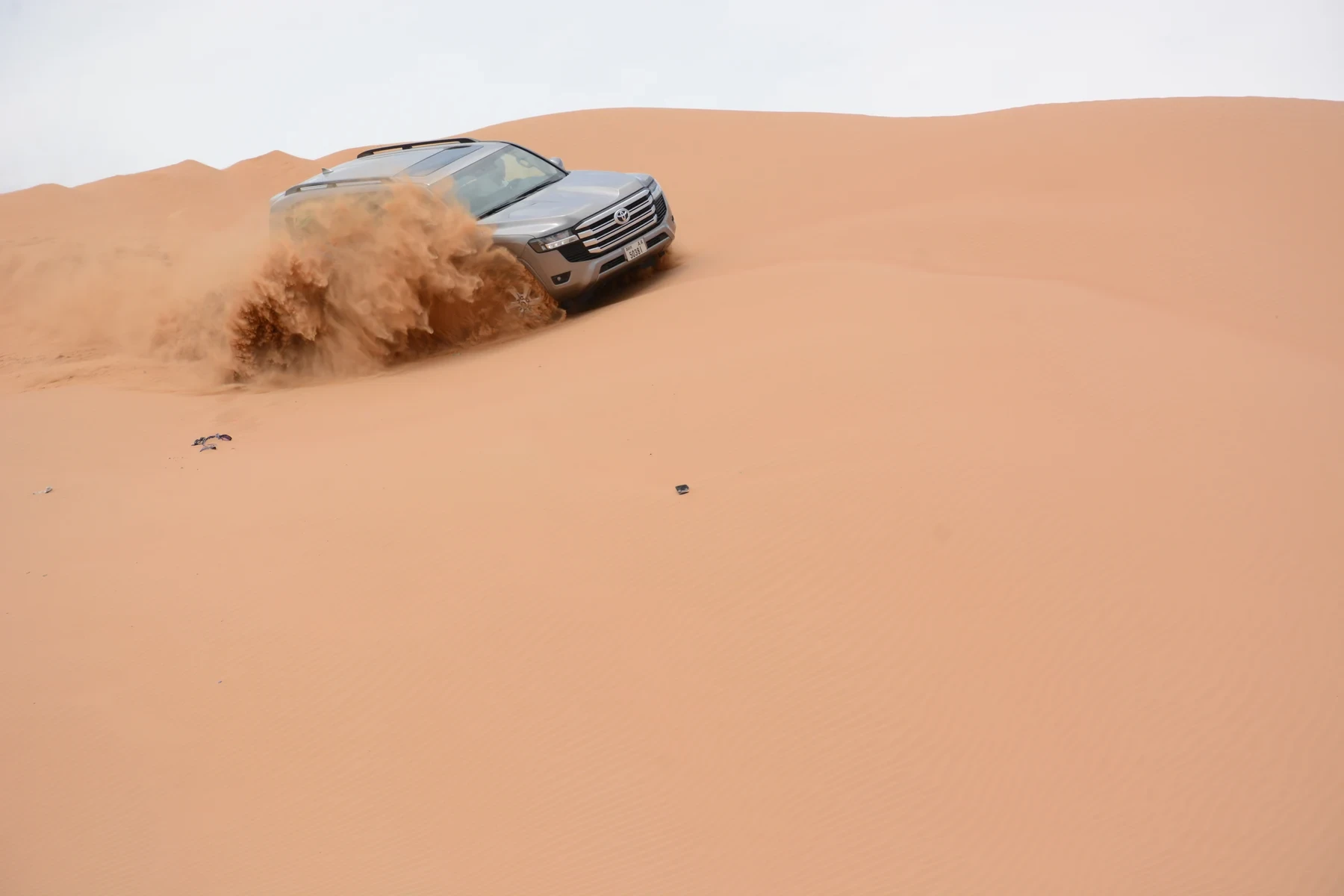
How the dune stop and camp fit together
Open the Lahbab Red Dunes Sunset Safari tour details for the current description. Then pick a meeting point near the vehicle before anyone spreads out for photographs. Ask the team what applies to your date and guest count. If a different itinerary may work better, check the related tour option before you decide.
Choose a plan that suits the group
Before you choose your date
Agree on the date everyone can attend before asking the team to hold a time. Give one backup date if possible. If you have a fixed flight or restaurant booking, include its address and timing so the team understands where the tour must fit.
For this trip, pick a meeting point near the vehicle before anyone spreads out for photographs.
When you receive a quote, check whether this detail affects the price, the time or the part of the tour someone can join. If it does, confirm the change before you compare prices or tell the group the plan is settled.
How to compare two offers
Read the two offers using the same group size and date. Record the part of each offer that you would actually use. A small difference in the headline price can matter less than a transfer, a meal or an activity that has to be added separately.
For this trip, check what happens if haze, traffic or a later pickup changes the light at the dunes.
Picture the actual moment when the group reaches that part of the day. Check who needs to be there, where they should wait and what comes next. That makes it easier to spot a gap between the tour description and the itinerary you expect.
Planning with children
Tell children in simple words what will happen first and how you will get back. Keep a meal or rest break in mind. Share ages and practical seat needs with the booking team so the confirmed plan works for everyone.
For this trip, ask how the sunset stop fits between arrival in Lahbab and the move to camp.
Give the team one main request and one acceptable alternative. It is easier to get a clear answer when you can name the stop or service you mean. Keep the final choice in writing and use it to arrange the rest of the trip.
When someone prefers a quieter visit
Ask what the guest would like to skip and what they still want to do with the group. Check where they could wait and agree on a meeting point. If the operator needs to change a vehicle or route, ask for the revised plan before paying.
For this trip, pick a meeting point near the vehicle before anyone spreads out for photographs.
Write the answer beside the relevant time in the itinerary. Ask one person to keep track of it so the group does not work from several different messages. When there are two possible routes, choose the one you can explain most clearly to everyone who is coming.
Guests starting from different places
Put each hotel or meeting point in the same message. Include the area as well as the hotel name. Ask the team whether everyone can be collected on the same trip. When a single meeting point is easier, share a map pin and allow time to get there.
For this trip, check what happens if haze, traffic or a later pickup changes the light at the dunes.
When you receive a quote, check whether this detail affects the price, the time or the part of the tour someone can join. If it does, confirm the change before you compare prices or tell the group the plan is settled.
Two activities on the same day
Put the booking with the firmest time on the calendar first. Then add the other booking and the journey between them. Include time to reach the actual entrance, meet the driver and take a break. If the gap is too narrow, move one activity.
For this trip, ask how the sunset stop fits between arrival in Lahbab and the move to camp.
Picture the actual moment when the group reaches that part of the day. Check who needs to be there, where they should wait and what comes next. That makes it easier to spot a gap between the tour description and the itinerary you expect.
What to check about the route
Ask which stops involve a walk and which give you a view from the vehicle. Give the operator a clear priority so there is room for what you want to see. Confirm whether each paid activity has its own ticket or forms part of the tour price.
For this trip, pick a meeting point near the vehicle before anyone spreads out for photographs.
Give the team one main request and one acceptable alternative. It is easier to get a clear answer when you can name the stop or service you mean. Keep the final choice in writing and use it to arrange the rest of the trip.
Check costs, timing and the return route
How to allow for a late start
If a delay is likely, share the booking reference with the team and ask how the route changes. Keep the group together while you wait for instructions. An optional photo stop can be easier to move than a meal or a timed activity.
For this trip, check what happens if haze, traffic or a later pickup changes the light at the dunes.
Write the answer beside the relevant time in the itinerary. Ask one person to keep track of it so the group does not work from several different messages. When there are two possible routes, choose the one you can explain most clearly to everyone who is coming.
Planning for a larger group
Check how many people can travel together, including children. Ask whether more vehicles are needed and whether everyone will meet at the same stop. If the group has two cars, give each a lead guest with the full itinerary.
For this trip, ask how the sunset stop fits between arrival in Lahbab and the move to camp.
When you receive a quote, check whether this detail affects the price, the time or the part of the tour someone can join. If it does, confirm the change before you compare prices or tell the group the plan is settled.
When a member of the group needs a shorter walk
Describe the part of the route that might be difficult. Ask about steps, sand, long walks and the distance between the drop-off and the activity. Confirm where the guest can sit and whether they can meet everyone again without repeating the whole walk.
For this trip, pick a meeting point near the vehicle before anyone spreads out for photographs.
Picture the actual moment when the group reaches that part of the day. Check who needs to be there, where they should wait and what comes next. That makes it easier to spot a gap between the tour description and the itinerary you expect.
How to read the price
Ask whether the quote is per person, per vehicle or per activity. Include the number of guests who actually want each extra. Check taxes and any separately priced transfer in the written total. Use those numbers before splitting the cost among friends.
For this trip, check what happens if haze, traffic or a later pickup changes the light at the dunes.
Give the team one main request and one acceptable alternative. It is easier to get a clear answer when you can name the stop or service you mean. Keep the final choice in writing and use it to arrange the rest of the trip.
What to ask about changes
Check the cancellation and change terms for each service before paying. If you need a new date, give the reference and explain what changes. Keep the original and revised replies until you know which instructions apply on the day.
For this trip, ask how the sunset stop fits between arrival in Lahbab and the move to camp.
Write the answer beside the relevant time in the itinerary. Ask one person to keep track of it so the group does not work from several different messages. When there are two possible routes, choose the one you can explain most clearly to everyone who is coming.
When to share your itinerary
Send the group the final date, meeting address and time window. Add a short sentence about what they should have ready. People can save the note on their phones and find it even when the group chat is busy.
For this trip, pick a meeting point near the vehicle before anyone spreads out for photographs.
When you receive a quote, check whether this detail affects the price, the time or the part of the tour someone can join. If it does, confirm the change before you compare prices or tell the group the plan is settled.
Planning the return
Ask where the tour ends and when the return journey begins. If someone plans to leave on their own, tell the team in advance. Keep some time free after the tour in case the trip back takes longer than expected.
For this trip, check what happens if haze, traffic or a later pickup changes the light at the dunes.
Picture the actual moment when the group reaches that part of the day. Check who needs to be there, where they should wait and what comes next. That makes it easier to spot a gap between the tour description and the itinerary you expect.
Prepare for the day
What to do with a spare hour
An empty hour can be a good place for lunch, a quiet break or a short walk near the next confirmed stop. Avoid committing it to another fixed ticket until you know how the route works. Choose a stop the group can leave easily.
For this trip, ask how the sunset stop fits between arrival in Lahbab and the move to camp.
Give the team one main request and one acceptable alternative. It is easier to get a clear answer when you can name the stop or service you mean. Keep the final choice in writing and use it to arrange the rest of the trip.
When to use a backup plan
Pick one part of the plan that could move if you cannot arrive on time. Decide who will contact the operator and how to tell the rest of the group. Wait for confirmation before treating a changed pickup or activity as booked.
For this trip, pick a meeting point near the vehicle before anyone spreads out for photographs.
Write the answer beside the relevant time in the itinerary. Ask one person to keep track of it so the group does not work from several different messages. When there are two possible routes, choose the one you can explain most clearly to everyone who is coming.
How to organise the day with friends
Ask each person to name one thing they most want from the outing. If the answers differ, see whether the package can serve both. Choose one priority for the whole group and save an optional activity for those who are interested.
For this trip, check what happens if haze, traffic or a later pickup changes the light at the dunes.
When you receive a quote, check whether this detail affects the price, the time or the part of the tour someone can join. If it does, confirm the change before you compare prices or tell the group the plan is settled.
What to review in the booking reply
Check that the reply names the right tour and uses the date, pickup point and guest count you supplied. Look for the confirmed inclusions, cost and time window. Ask for clarification before making another reservation that depends on these details.
For this trip, ask how the sunset stop fits between arrival in Lahbab and the move to camp.
Picture the actual moment when the group reaches that part of the day. Check who needs to be there, where they should wait and what comes next. That makes it easier to spot a gap between the tour description and the itinerary you expect.
What to share with the driver or guide
Tell the guide about the confirmed meeting point and any agreed changes. Keep practical details handy, such as which guest needs more time to reach the vehicle. Share names and booking information only with the people responsible for the trip.
For this trip, pick a meeting point near the vehicle before anyone spreads out for photographs.
Give the team one main request and one acceptable alternative. It is easier to get a clear answer when you can name the stop or service you mean. Keep the final choice in writing and use it to arrange the rest of the trip.
What to check before leaving
Before leaving, look at the weather, check your route to the meeting point and charge the phone that holds the confirmation. Share the contact with another adult. Make sure everyone knows whether the first activity is fixed to a time.
For this trip, check what happens if haze, traffic or a later pickup changes the light at the dunes.
Write the answer beside the relevant time in the itinerary. Ask one person to keep track of it so the group does not work from several different messages. When there are two possible routes, choose the one you can explain most clearly to everyone who is coming.
Send the booking team your plan
Use the Desert Safari Friends booking page to send your dates and guest count. Put the exact tour name at the top of the request and check what happens if haze, traffic or a later pickup changes the light at the dunes. If you are comparing a city visit and a desert trip, see the Dubai city tour catalogue and the desert safari catalogue. Confirm the timings separately before putting two trips on the same day.
Walk through an example before you book
Start with the part of the day you care about
Imagine you are arranging this trip for four guests. Two want to spend longer at the main stop. One wants an easy return. The fourth is flexible as long as they know where to meet. Start by asking the team to explain the route in order. On Lahbab Red Dunes Sunset Safari, ask how the sunset stop fits between arrival in Lahbab and the move to camp. Write down the answer, the time you need to be ready and what the rest of the group can do while they wait.
Ask the team to explain the difference between time spent travelling, waiting and taking part in the main experience. A trip can look short on a booking page while still taking up most of your morning or evening. Set aside time at each end for the journey from your hotel and any arrangements you will need to make when you get back. Ask which part of the plan could change if the group starts later than expected.
Give the group a clear choice
Before you share the final plan, pick a meeting point near the vehicle before anyone spreads out for photographs. Ask each guest whether that still fits what they wanted to do. This is a good moment to remove an optional activity if doing it would leave the rest of the group waiting without a place to sit. Put any confirmed meeting point and the next departure time in a message everyone can keep.
If someone says they need to leave early, ask the operator whether they can go separately and where that would happen. Do this before choosing a package that returns everyone together. Work out the cost and travel time for that person as part of the plan. If nobody needs an early return, you can keep the whole outing in one booking and give the group a single time to remember.
Read the reply as a traveller would
When the booking team replies, check what happens if haze, traffic or a later pickup changes the light at the dunes. Look for the exact tour name, guest count and confirmed meeting instructions. Put yourself in the position of someone opening the message on the day. Can they tell which car or guide to look for? Can they find the place on a map? Do they know who to call if the pickup point is busy? Ask about anything the reply leaves open.
Keep the final reply together with any separate admission or activity ticket. Confirm which guests are taking part and which parts of the quote they will pay for. If you are still choosing between options, compare the part of the experience that matters most to your group, then check the total cost and when you will get back. Give everyone the same version of the final plan.
Frequently asked questions
What should I confirm first?
Ask how the sunset stop fits between arrival in Lahbab and the move to camp.
Which part takes extra planning?
Pick a meeting point near the vehicle before anyone spreads out for photographs.
What should the group agree before leaving?
Check what happens if haze, traffic or a later pickup changes the light at the dunes.
Is transport included?
Read the tour listing and ask the team to confirm pickup, the return and any separate transfer charge. Give your exact address and the number of guests.
Can children join?
Send their ages and ask what they can take part in on your date. Ask about child seating and any activity rules before paying.
What if a guest wants to skip an activity?
Ask what the guest would like to skip and what they still want to do with the group. Check where they could wait and agree on a meeting point. If the operator needs to change a vehicle or route, ask for the revised plan before paying.
How can I compare the total price?
Ask whether the quote is per person, per vehicle or per activity. Include the number of guests who actually want each extra. Check taxes and any separately priced transfer in the written total. Use those numbers before splitting the cost among friends.
Can I book a second tour on the same day?
Put the booking with the firmest time on the calendar first. Then add the other booking and the journey between them. Include time to reach the actual entrance, meet the driver and take a break. If the gap is too narrow, move one activity.
Can I change my date?
Check the cancellation and change terms for each service before paying. If you need a new date, give the reference and explain what changes. Keep the original and revised replies until you know which instructions apply on the day.
How do I ask for availability?
Use the booking page and send the tour name, your preferred date, party size and pickup address. Include one backup date and any specific questions about the route or programme.